


How to choose a genuine product: for buyers and sellers
How to tell an original from a copy, what to look for in a listing, and what to do when you have doubts — a practical explanation.

The question asked most often when buying accessories and electronics is: “Is this genuine?” It is a fair question — counterfeits are common and telling them apart by appearance alone is not always easy. Below are the signs and what to do about them.
What counts as counterfeit#
The definition is set by law: a product that uses someone else’s brand, logo or design without permission is counterfeit.
There is a lot of confusion here, so let me be precise:
- Genuine — made by the brand owner, or produced with their permission
- Counterfeit — made to look like the original, but without the brand owner’s permission
- A cheap product under its own brand — this is not counterfeit. Another manufacturer selling under their own name is entirely lawful
The third one deserves emphasis: being cheap does not make an item fake. The problem arises only when someone else’s name is taken.
For sellers: what is not allowed#
Writing someone else’s brand alongside words like “analogue”, “replica”, “similar” or “luxury copy” infringes intellectual property rights. Such a listing is removed.
One subtle point matters: writing “replica” openly does not grant permission. Many sellers think of it as protection — in fact it is a written admission of the breach.
If you are selling a genuine product of that brand, writing the brand name is both allowed and useful.
For buyers: the warning signs#
No method guarantees certainty, but there are things to look at:
The price is far below the market. This is the strongest sign. A genuine product cannot fall below a certain price, because it costs something to make.
The brand is named but there is no model number. A genuine product has a specific model. “Original headphones” says nothing.
The photo came off the internet. If the seller has no picture of their own, they may not have the item in hand.
Nothing is said about the packaging. A genuine product arrives in its own box.
A stream helps most here#
This section is worth writing separately, because the value of a stream is clearest exactly on the question of counterfeits.
On a stream you can ask the seller to turn the item around: the box, the serial number, the connector, the label. What can be hidden in a photograph cannot be hidden live.
Do not hesitate to ask. “Show me the box”, “turn it around” — these are ordinary requests, and an honest seller obliges without difficulty. A seller’s hesitation is itself an answer.
If you have bought a counterfeit#
- Gather evidence — the unboxing, photos of the item, a screenshot of the listing
- Contact the seller — the item not matching the description is the grounds
- If it is not resolved, write to the platform — the order is recorded in the system
- Report the listing — this protects other buyers too
The fourth step is often skipped, but it matters: a listing nobody reports stays up.
Why counterfeits persist#
The question is fair: if the signs are known, why does the scheme keep working?
The reason is an imbalance of effort. A counterfeit seller only has to take a photo off the internet and type someone else’s brand — a minute’s work. The buyer, to check, has to know the model, find the official site and compare the packaging. The time involved is not remotely comparable.
That is precisely why the structure of the deal matters more than personal vigilance. When an order runs through the platform it leaves a trail: the listing, the description, the order number, the payment. If the item does not match, there is something to point at.
Money sent to a personal card on social media leaves no trail at all, and the checking falls entirely on the buyer.
Frequently asked questions#
Can I buy an item described as a “replica”?
How do I confirm something is genuine?
What if I only find out later that it is fake?
Read nextWhat you are allowed to sell on DonaShopping safely: Dona, the seller and the buyer
See the item on a stream: download the Dona app.
How Dona works
See all (10)
What kivi are, how to collect them and how to spend them
Kivi is a discount inside Dona. You collect it by playing games during a live stream and spend it against part of the price at checkout.

Reviews and ratings: how to write one and why it matters
On Dona a review sits on the product page and helps other people choose. How to write a useful one, and what a review prize actually is.
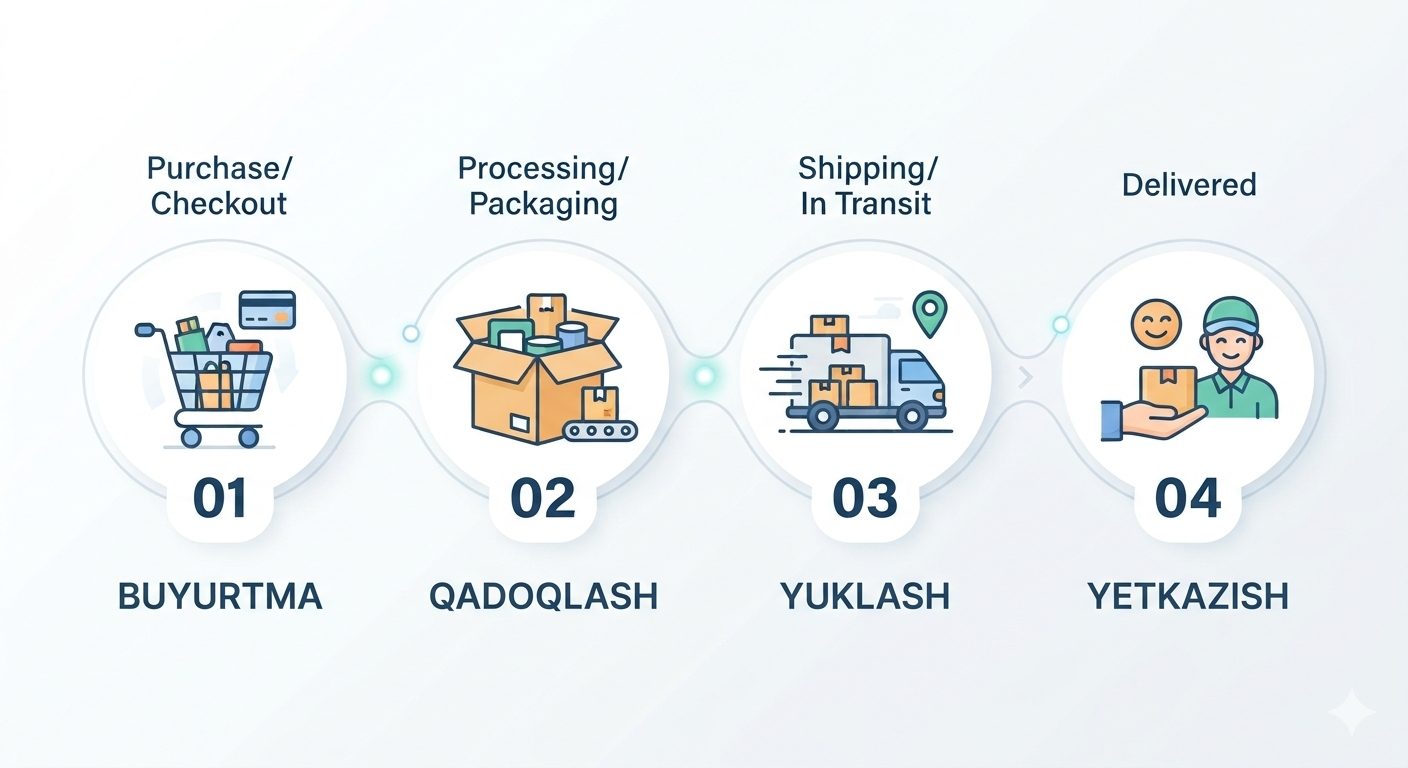
Order status: the four stages and what each one means
Preparing, handed to courier, on the way, delivered. What happens at each stage, when notifications arrive, and why there is no live map tracking.


