


Shopping safely: the roles of Dona, the seller and the buyer
Who to turn to when something goes wrong, who is responsible for the quality of goods, and how the platform makes a purchase safer.

When something goes wrong with an online purchase, the first question is: who do I tell? The app, the seller, or the courier? The answer is defined and written down in advance. Below is what each side carries.
There are three sides, and two of them make the contract#
This is the key sentence, and everything else follows from it: the purchase contract is between the buyer and the seller.
Dona is an intermediary platform. It is not the seller and is normally not a party to the sale. The platform provides the place where trade happens, the order system and the payment route.
This is not a technicality. It is precisely why a question about the goods is settled with the seller first.
What the seller carries#
Independent sellers are responsible for:
- The goods themselves — that they exist, are genuine, and work
- The description — brand, condition, quantity, material and origin stated truthfully
- Quality — matching what was shown in the listing and on the stream
- Price — setting and changing it is the seller’s decision
- Packing — so the goods are not damaged in transit
- Delivery — arranged through a courier service
So if the wrong item arrives, it does not work, or it does not match the description, that is a matter of the seller’s responsibility.

What the platform provides#
The platform does not sell the goods, but it keeps the trade orderly:
- The order is recorded in the system and its status is tracked
- Payment runs through licensed providers, and card details are never visible to the seller
- Listings that breach the rules are removed
- When something goes wrong, there is a channel for raising it
That last point is the most valuable in practice. A “send the money to my card” arrangement on social media leaves nowhere at all to turn.
What the buyer carries#
This part is rarely written down, but it exists too:
- Read the description. “I did not notice” does not help afterwards.
- Ask questions. A stream lets you ask — use it.
- Give the correct address and contact details. If the courier cannot reach you, this is often why.
- Keep evidence when opening the parcel. If the wrong item arrived, that is the strongest argument you have.
One more point: the seller may not have made the goods themselves; they may have bought from a supplier. That does not change the responsibility — the seller who posted the listing stands in front of you.
Who to approach, and in what order#
In practice this order is the most useful part:
- A problem with the goods — the seller first. They know the item; they sent it.
- If the seller does not respond — the platform. The order is recorded in the system, so the complaint has a basis.
- A problem with payment — some matters are settled through the payment provider, because the money is processed on their side.
Do not skip steps: writing straight to the platform is usually slower, because the platform will ask the seller anyway.
Does a live stream change responsibility?#
No. The seller is responsible for goods sold on a stream too.
But a stream has one practical advantage: you see the item in motion and can ask questions, which makes “I misread the description” far less likely. A stream does not move responsibility; it reduces the chance of a dispute.
Frequently asked questions#
If the item arrives damaged, who pays?
Does the platform inspect the goods?
How do I know who is selling?
Read nextHow returns workWhat you are allowed to sell on Dona
Shop knowing how it works: download the Dona app.
How Dona works
See all (10)
What kivi are, how to collect them and how to spend them
Kivi is a discount inside Dona. You collect it by playing games during a live stream and spend it against part of the price at checkout.
Reviews and ratings: how to write one and why it matters
On Dona a review sits on the product page and helps other people choose. How to write a useful one, and what a review prize actually is.
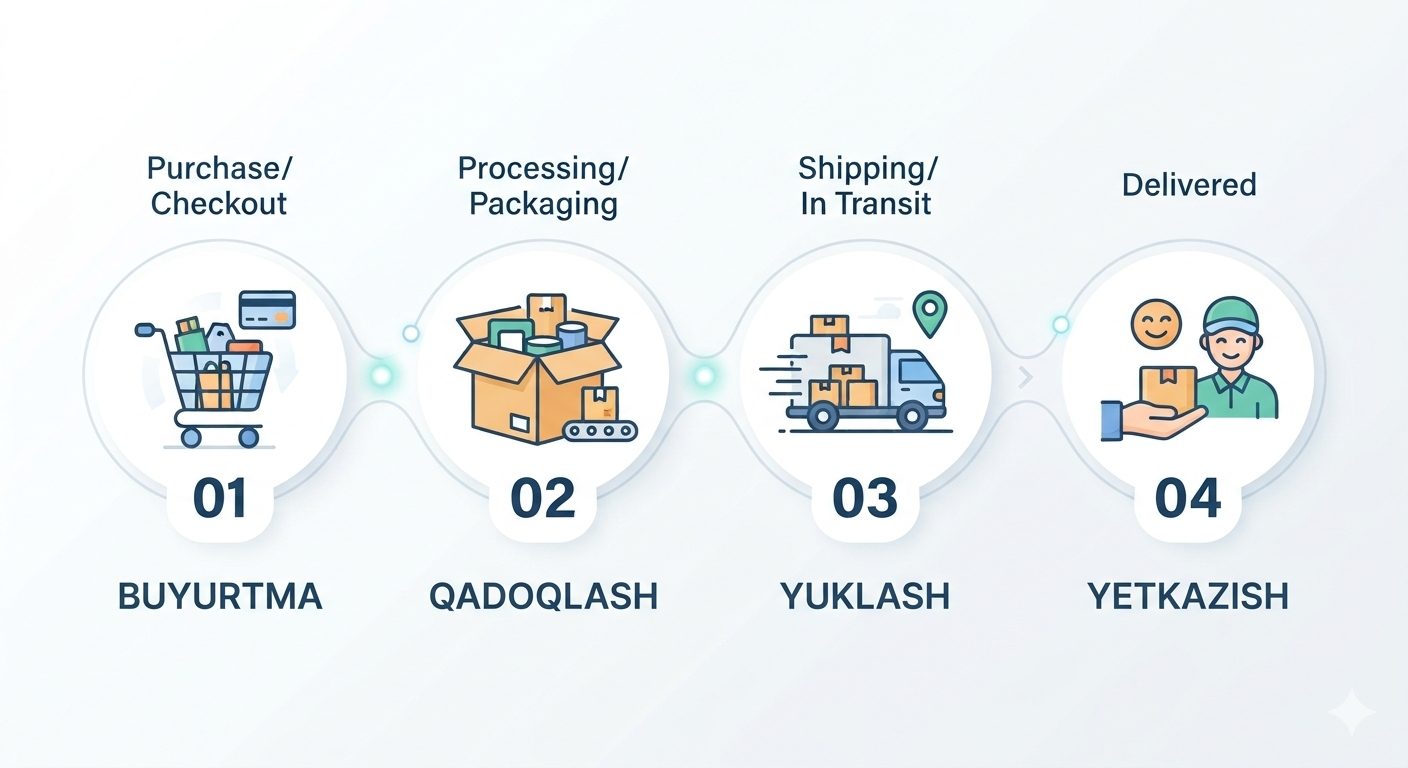
Order status: the four stages and what each one means
Preparing, handed to courier, on the way, delivered. What happens at each stage, when notifications arrive, and why there is no live map tracking.


